There are a dozen AI worship setlist generators and the extent of what these do, is in the name itself. You fill in a form with a few parameters and boom, it spits out a worship setlist for you. Granted, some have better parameters like a Bible verse or a theme and to then spit out a set list based on that.
Nonetheless they are all one-shot generators. They operate within limited guidelines and preset rules. Imagine this, you create a chatbot to answer three questions. So you would train it to understand those three questions and a few variations of how they could be asked.
Then you would feed it variations of answers for each question. So, when someone asks your chatbot one of the questions, it will randomly select your answer and display it. That’s it. No digital brain. Once the session is over, the chatbot forgets everything the user asked.
This is one-shot or stateless. An AI Agent however also has extensive training but how it acts, is not so rigid. It does not answer you from a library of options, it gauges you, your tone, your ask, and then tries to help you solve whatever it is you are doing.
Take Asaph vs Nova for example
An AI Worship Setlist Generator (e.g., Asaph) is a single-shot or lightly iterative recommendation tool that produces a suggested setlist based on inputs like theme, date, or mood, but it does not take responsibility for executing changes or maintaining state; by contrast, an AI Agent (e.g., Nova) is a persistent, stateful system that understands church context, validates ambiguity, calls tools, writes to the database, and actively manages the full lifecycle of worship planning (setlists, assignments, scheduling, analysis, and media), acting more like an autonomous assistant than a suggestion engine.
AI worship setlist generator vs agent comparison table
| Capability | AI Setlist Generator | AI Agent (Nova) |
|---|---|---|
| Generates song suggestions | ✅ Does | ✅ Does |
| Creates a complete draft setlist | ✅ Does | ✅ Does |
| One-shot / stateless output | ✅ Yes | ❌ No |
| Maintains conversation memory | ❌ Does not | ✅ Does |
| Persists context (org, date, setlist) | ❌ Does not | ✅ Does |
| Disambiguates churches/orgs | ❌ Does not | ✅ Does |
| Writes directly to database | ❌ Does not | ✅ Does |
| Modifies existing setlists | ❌ Does not | ✅ Does |
| Assigns musicians to songs | ❌ Does not | ✅ Does |
| Checks availability / blackouts | ❌ Does not | ✅ Does |
| Enforces scheduling rules | ❌ Does not | ✅ Does |
| Uses cached historical data | ❌ Does not | ✅ Does |
| Calls internal tools/APIs | ❌ Does not | ✅ Does |
| Handles multi-step workflows | ❌ Does not | ✅ Does |
| Generates analytics/themes/verses | ⚠️ Limited | ✅ Full |
| Generates promo videos | ❌ Does not | ✅ Does |
| Operates as system of record | ❌ No | ✅ Yes |
| Can run autonomously after input | ❌ No | ✅ Yes |
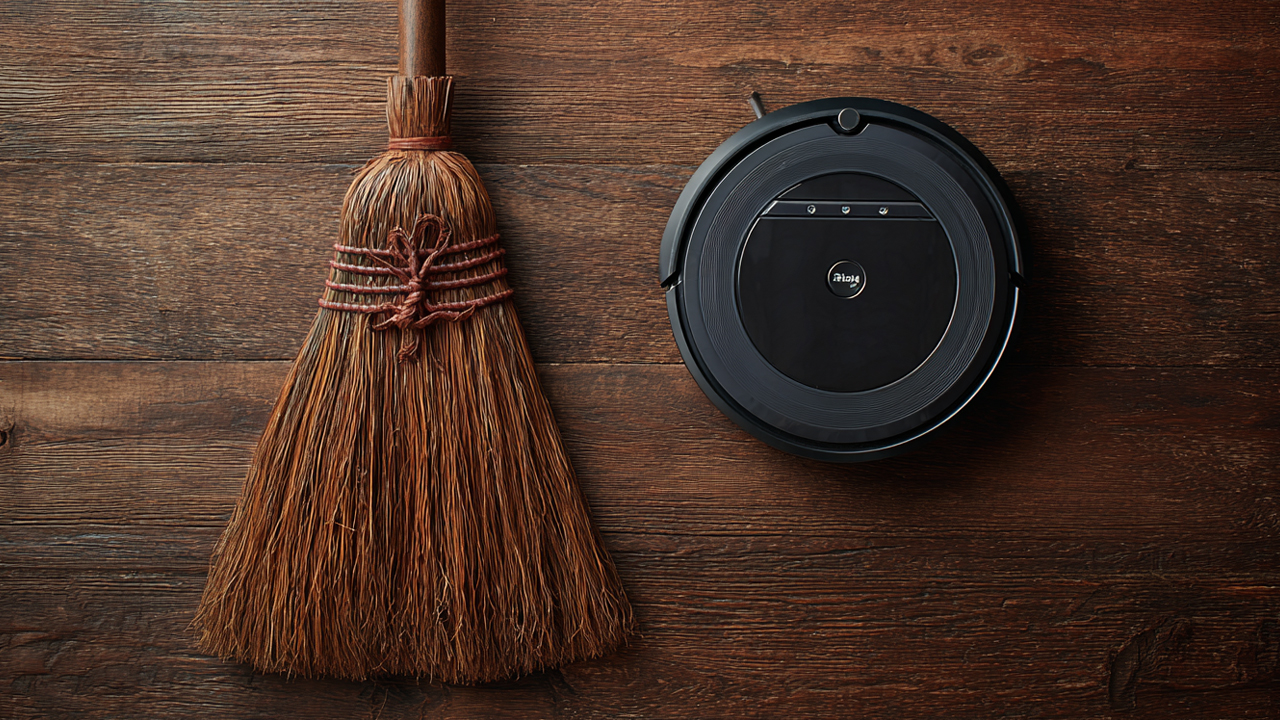
Now, Asaph is also a great tool, but it’s just different. It’s more like a broom well as Nova is more like a Roomba – but even that’s underselling Nova by a mile, but I got stuck with the analogy.
So, if you want an agent that acts like someone you can bounce ideas off of, be conversational, understand you, and can call upon a host of tools by its self, try Nova from WorshipTeam AI
Nova is your conversational worship leader assistant. Research themes, see your song history, see teams and availability, build set lists, schedule teams, send emails, and more just by talking to Nova with very loose information.
Setlist generators require you to fill in lengthy forms – the more you want, the more explicit you have be. You might as well do it without the generator.
In case you missed that small part about video, yes once you build your setlist, you can also ask Nova to create a promo that you can then share on Instagram, TikTok, Facebook, Twitter, or even LinkedIn – invite your boss to your church.
If you have questions about worshipteam.ai or Nova, fee free to book time with the CEO. I have a policy where anyone can reach out to the CEO directly and chat.